How to Know if Something is Wrong with Your Lymphatic System
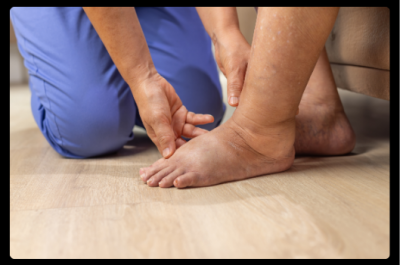
Is Something Wrong with My Lymphatic System?
Or could it be something else?
Many people come to see me for lymphatic massage wondering if their swelling means that there is something wrong with their lymphatic system. While the lymphatic system certainly can be damaged or clogged, there are other things that can lead to swelling. Depending on the exact cause, lymphatic massage can sometimes be helpful.
Questions people often ask me are:
-
- Is this water retention, lymphedema, or something else?
- Is it normal for my leg swelling to get worse by the end of the day?
- Do I have a blood clot?
- Why is only one limb swollen?
- Why is my face always puffy?
- Can my swelling be treated?
These are great questions and there are a lot of small details to answer. Some of this information can be really important – even life-saving. I’ve created this article to help you figure out what might be of help for your unique situation, or if you need immediate care. Let’s get started!
(This is not a substitute for medical advice. If you are concerned about sudden swelling that came out of nowhere, seek immediate medical assistance. This is also not an exhaustive list of things that can cause swelling.)
Click on the links below to jump to what you are most interested in knowing:
Swelling in the Legs
Swelling can happen anywhere in the body, but the most common area of complaint seems to be the legs, so let’s start there.
When did your swelling start?
Ask yourself when you first noticed your leg swelling. Has it been something you have had your whole life or has been slowly getting worse in the last few years?
Is the swelling more or less the same in both legs at the end of the day?
If you have swelling in both of your legs that seems worse at the end of the day and resolves by morning, there’s a good chance that this could be a problem with your veins.
Vein problems can happen for a number of reasons: aging, pregnancy, standing for long work shifts – like working retail or nursing, having a job that requires a lot of heavy lifting – like package loading and delivery, or it can be just plain genetics.
While we think of people with “bad veins” as having visible varicose veins. However, not everyone has this. You don’t have to have varicose veins – especially when you are younger and your vein situation hasn’t gotten very bad.
What to Do for Swelling Due to Bad Veins
The first thing that you can do is see a vein doctor who can do a simple ultrasound to determine if you have the problem. If you do, what they recommend can vary based on how bad your problem is. Oftentimes, an out-patient procedure is done to “nuke” the veins that are broken. Not many doctors still do the old vein stripping technique, but it might be used in some rare cases.
The second thing you do is come for regular lymphatic massage (Manual Lymphatic drainage). Even if you have had the vein surgery, it does not address all of your bad veins – just the worst ones. You will still have some swelling, and lymphatic massage helps to keep it from getting too bad over time. Finally, compression stockings are a must for anyone with vein problems, but there are a lot of so-called ‘compression socks’ on the market that can actually do more harm than good.
To learn more about why vein problems cause leg swelling, check out this article. Here’s another article on how to choose the right compression stockings.
When Leg Swelling is Something Other Than Vein Issues
Congestive Heart Failure (CHF)
Congestive heart failure is another serious cause of leg swelling. The symptoms are similar to those of vein-related problems, but they also include symptoms such as shortness of breath (especially when moving around), fatigue, waking up breathless at night, and a shortness of breath when lying down.
Can I get Lymphatic Massage if I have CHF?
Some people can get lymphatic massage even with CHF. Let’s look at when it’s generally safe and when it is not.
Mild CHF
If it is very early stage to moderate CHF, the swelling is usually confined to the feet and ankles. Mild CHF produces breathing problems that make one simply feel “out of shape.” A person can get a bit winded doing tasks that were once easy. Lymphatic work is usually fine during this phase.
Moderate CHF
In moderate CHF, swelling extends up into the calves. Once the swelling has reached this state, it is important to look at whether a person has begun to have problems with breathing when lying down. When a person first enters Moderate CHF, this usually isn’t a problem and lymphatic work is generally ok because they can still lie flat with no problems breathing. This means that the body can handle a little more fluid in the bloodstream which affects both the heart and lungs.
However, as a person gets worse during the Moderate CHF stage, they can have trouble breathing while lying down (need a couple of pillows to prop them up so they can breathe at night – or they need to sleep in a recliner). When this has started, it becomes a problem to do lymphatic work because the body is having difficulty with moving both blood and there is a problem with fluid buildup in the lungs. If you have difficulty lying flat due to breathing, then lymphatic work is no longer safe because it increases the amount of fluid in the bloodstream and your body cannot handle the additional load.
Severe CHF
Once this type of heart failure reaches a more critical stage, the swelling goes above the knees into the thighs and may extend as far as into the abdomen. It is absolutely not safe to do lymphatic work at this stage. While the swelling that happens during this stage of CHF is extremely distressing, moving lymphatic fluid back into the bloodstream puts far too much pressure on the lungs and heart and can lead to serious breathing problems.
Lipedema
Lipedema is a genetic condition that affects the fat and connective tissue. It can cause swelling in both legs as well as the abdomen and buttocks. The swelling is usually a result of an abnormal growth of fat from the waist to the ankles – sometimes involving the arms, usually the upper arms. This condition is almost always limited to females. If you think you may have lipedema, I have a lot of information for you here on my website. Yes, I work on it and lymphatic massage is often very helpful. There are different compression considerations for you since normal compression socks and stockings are often painful with this condition. We can chat about it at your appointment.
One-Sided Swelling
Sometimes swelling happens on one leg only. While it is possible that this could be due to vein problems, it isn’t the most common cause and you might need medical attention if you only have one leg swollen. Let’s look at what could be going on in this case.
Lymphedema
One possibility for swelling in a single leg is lymphedema. Lymphedema is a condition in which swelling never goes away and continues to become worse if it is not managed through Manual Lymphatic Drainage (MLD) and compression. The most common cause of lymphedema in the United States is cancer treatment. Surgery that removes lymph nodes, radiation, and chemotherapy can all independently cause lymphedema. Similarly, injuries such as a crush injury like from a seatbelt that crushes the lymph nodes in the groin can also cause it to happen. (Don’t stop wearing your seatbelt! This is not a common problem.)
Additionally, some people can be born with bad lymphatic genes that can cause them to develop lymphedema without having any injury directly to their lymphatic system. This is what is called Primary Lymphedema. Primary Lymphedema can happen at any time in life and can either affect the legs or the arms – and sometimes the torso, but this is not common. In most cases there has been some sort of injury to the affected area – something simple like a minor cut that got a minor infection, a twisted ankle, or something that made the area begin to swell/inflame.
Note that there is a difference between edema and lymphedema. Edema is temporary and resolves on its own. Lymphedema does not go away. If you suspect you have lymphedema, please make an appointment. While I cannot provide you with a formal medical diagnosis, I can help you to assess your situation and put you on the right track. My sessions are full of education about lymphedema and treatment – things that you can’t get much of at the lymphedema clinics in hospitals. While insurance often covers those types of clinics, you may be waiting months to get in. In the meantime, you can come and see me, get initial treatment, and learn how to care for your condition.
Just to muddy the water a bit…
It is becoming increasingly more common for some doctors to refer to vein-related swelling as lymphedema, which is a bit confusing. Vein-related lymphedema/swelling that we talked about before does not go away, but it is usually much slower to become a real problem. The types of lymphedema that I’m referring to in this section is decidedly different and occurs as a result of damage to the lymphatic system itself rather than faulty veins.
When the lymphatic system is damaged, the problem happens much more rapidly than with slowly emerging faulty veins, and it requires quicker intervention. The onset of lymphedema is not an emergency, but something that you should try to get addressed as soon as you can – within a few weeks if possible. The earlier, the better.
Blood Clots
Blood clots are a very serious issue and are considered to be a medical emergency. They can happen anywhere in the body, but are most commonly seen in the legs. Increased risk factors for developing blood clots in the legs include travel by plane or car (for many hours), being sedentary, and having had a surgery.
Let’s look at the telltale signs of blood clots in the legs.
- Blood clots most commonly occur in a single limb – one arm or one leg.
- They often are accompanied by pain that may be localized to a single area such as behind the knee or they may involve the entire leg (or arm).
- Symptoms come on in a couple of hours to a couple of days rather than over weeks to months.
- There is often (but not always!) redness, swelling, and heat. If these occur, there is generally one area of the leg that is warmer than the other – such as one side vs the other side. The redness can be red, purple, or mottled, and the swelling comes on quickly.
- Since blood clots can be “silent” (not showing any telltale signs other than sudden unexplained swelling, you should consider this absolutely urgent and go to get an ultrasound to rule them out.
- The limb feels very stiff rather than soft/mushy swelling like one would see initially in a slower-onset type of swelling like venous insufficiency (“bad veins”).
It is necessary to seek immediate treatment (ER) for a suspected blood clot because if the clot moves it can travel to the lungs. This is called a pulmonary embolism (PE). This is a condition that can be fatal. If you suspect a blood clot and then have any of the following symptoms (especially if they come on suddenly), you need immediate medical attention:
-
- Shortness of breath
- Chest pain
- Fast heart rate
- Feeling faint
If your doctor finds that you have a blood clot you will be put on drugs to dissolve the clot. Depending on what doctors think caused your clot in the first place will determine how long you will be on these medications. For most people this lasts about 3 months, but for more complex causes it may take as long as 6 months.
DO NOT COME FOR LYMPHATIC MASSAGE UNTIL YOU ARE CLEARED BY YOUR DOCTOR IF YOU HAVE HAD A BLOOD CLOT (OR IF YOU SUSPECT YOU HAVE ONE AND HAVE NOT BEEN CHECKED)!
Once you are cleared, please make an appointment because I can help you with that swelling. 🙂 (This may be shorter than 3 months if the doctor determines that the clot is stable.) It is not uncommon to have swelling that lasts weeks to months (sometimes up to 6 months) after the clot is treated.
Swelling in the arms is not as common as in the legs, but it can happen. Generally, these issues are very similar to the causes of leg swelling. However, in most cases, the swelling is much less severe.
Common Reasons for Arm Swelling
Lymphedema
Lymphedema can happen in the arms. The causes are much the same as when it is found in the leg. These usually include cancer treatment (surgery, radiation, and chemo), Primary Lymphedema (genetic), and Lipedema. You can read more about these above in the section involving leg swelling.
Blood Clots
Blood clots in the arms are a lot less common than they are in the legs, but they do happen. If one occurs, it is often caused by:
- PICC lines (special IV’s used to deliver antibiotics for severe infections)
- Chemo ports/Central lines into veins for drug delivery
- Repetitive overhead motion (Paget-Schroetter syndrome)
- Cancer
- Clotting disorders
In the arms blood clots usually show up as any of the following conditions: sudden swelling, pain, bluish color, or prominent veins. Again, blood clots are always an emergency. Get medical attention right away if you suspect you may have one.
Lipedema
Lipedema, the genetic fat and connective tissue disorder that is commonly found in the hips and legs can also affect the arms, but it is rarely seen in the arms alone. Typically the upper arm is affected, but it may extend to the wrist in some cases.
Thoracic Outlet Syndrome (TOS)
Thoracic Outlet Syndrome is a condition usually caused by tight muscles in the neck and chest. They can compress nerves and veins which can cause swelling and tingling (arms falling asleep – especially at night). Usually a change in position can relieve this issue. Yes, I can help you with this type of swelling, too.
Swelling in the Face, Neck, and Head
Another very common place to get lymphatic swelling is in the face, neck, and head. This can be a result of a whole host of things, some of which lymphatic massage can help.
Allergies
Allergies that cause swelling in the face, neck, and head can come from obvious sources like pollen, dust, or pets that one is routinely exposed to. What most people don’t realize, though, is that food allergies and sensitivities can be major contributing factors. While most people know if they have a serious food allergy, they don’t always recognize a minor food allergy. Similarly, sensitivities (which involve a different part of the immune system) are even harder to detect as the symptoms may show up 72 hours later.
Lymphatic drainage can help with part of the symptoms you get with food allergies like a stuffy nose and head congestion, but it is less effective for food sensitivities which just cause overall inflammation. If you want to find out about food sensitivities, you can order your own test here. If you are unsure about whether what you have are allergies or illness, WAIT. See the section on illness below.
Poor Lymphatic Drainage
Poor lymphatic drainage from the head is a very common cause of swelling. People who work on computers or leaned over a desk all day may have tightened neck muscles that put pressure on the lymphatic vessels leading out of the head. Lymphatic massage can definitely help with this issue. If you have swelling and you have a job that makes you lean forward all of the time – or even if you are retired and garden, cook, or spend a lot of time on your phone or iPad, then getting a lymphatic massage can help.
Illness
Being sick can cause a backup in your lymphatic system. This is because your immune system is busy battling the invading organisms (viruses, bacteria, etc.), and it just gets backed up. This is normal.
DO NOT COME FOR LYMPHATIC MASSAGE IF YOU HAVE AN INFECTION!
There are a number of reasons why you cannot get a lymphatic massage if you have a current infection – of any kind, not just a head cold. The most important reason is that the infection can spread to your heart. This can lead to a potentially deadly infection known as endocarditis. You should wait until your illness has completely resolved before getting lymphatic massage.
Still Have Questions?
Want to Get Help for Your Swelling?
It’s hard to find help for swelling issues in Albuquerque. While I can’t provide a formal medical diagnosis, I’ve been working with swelling related conditions for about a decade and have a significant amount of advanced training. I can provide you with a ton of education about what is likely happening, and I can help direct you to the right type of medical professional, if one is needed. Again, if you think you have a blood clot or an infection – you must see a doctor first. Aside from that, please make an appointment and let’s get your swelling reduced!