Do Vein Problems Cause Swelling?
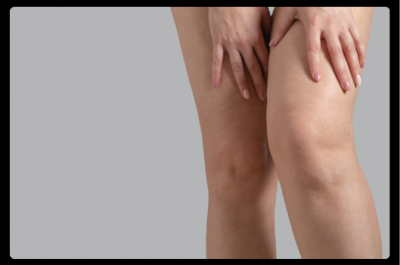
The short answer to this question is, “Yes, vein problems do cause leg swelling.” But, there is a lot more to know about vein problems and swelling that comes from this particular issue. Read on to find out more of what you need to know if you have (or think you may have) vein-related swelling.
Do You Have Vein-Related Swelling?
Common Symptoms of Early Vein Issues
Is There a Difference in Your Legs in the Morning and Evening?
When vein problems start to appear people first tend to notice when they take off their shoes and socks that they notice a line where their sock was. This is a big clue as to what might be happening with your legs. While there can be more than one reason, it often points to problems with your veins. This is actually a very common problem, and it can be managed.
Do You Have Varicose Veins?
Did You Have a Previous Blood Clot?
What to Do for Vein Problems
Lymphatic Massage
Lymphatic drainage massage, properly called Manual Lymphatic Drainage (MLD) is very helpful for vein issues as a treatment for swollen legs. Depending on the severity of the problem you might come once a month for lymphatic massage for mild issues, once every couple of weeks for problems that are of moderate severity, or sometimes weekly if you have a severe vein issue. Severe vein issues are typically characterized by skin that becomes discolored reddish/brown on the lower legs just above the ankles extending to where the calf muscle protrudes.
Compression Socks and Stockings
A second thing that can help vein issues are compression stockings. Beware, though! Not all compression is made equally – and that is REALLY important. Many items on Amazon or at your local scrub store (for nurses and other medical folks) are called “compression stockings.” MOST of these are just tight socks. I cannot stress enough that tight socks do not equal compression.
Medical grade compression (which is what you need) is woven by specialized machinery to that there is a gradient of compression. This means that the pressure from the stockings is greater at the ankle than at the calf. The calf has greater pressure than the thigh (if you are wearing a thigh-high stocking). This gradient pushes the fluid up the leg. Tight socks, by contrast, may have fabric that is tight and doubled over just below the knee (on a knee-high sock). This doubles the amount of pressure in the sock, making a tourniquet and not only restricting lymphatic flow, but blood flow, too, if it is tight enough. If you already own a pair of compression stockings, are they uncomfortable just below the knee or leave a deep mark? If so, this is a big clue that the socks you have could be making things worse.
There are only 4 different companies in the US that produce true medical grade compression stockings. They are: Juzo, Jobst, Sigvaris, and Medi. Each of the names has links to where you can find them on Amazon if you wish to purchase them there. Be aware that medical grade compression typically does not come in small, medium, and large sizes.
Fitting is SUPER important and is based on your individual measurements. Sizing is determined by comparing your measurements to a sizing chart. (Sizing charts vary from one company to another.)
I’m happy to provide you with correct measurements as well as discuss the different materials and compression strengths (which you see as mmHg – millimeters of mercury on the package) when you come for your lymphatic massage appointment.
Making Lymphatic Massage a Part of Your Monthly Health Routine
Since vein problems tend to cause swelling that never goes away on its own, routine maintenance – usually monthly, unless your problem is severe – is recommended. You’d be surprised at how much better you feel. Best results are had when you couple your monthly lymphatic massage with wearing compression stockings daily. Make your appointment today to get started with your swelling management routine.